Beyond the Bill of Lading: Where Your Margin Quietly Disappears After the Ship Sails
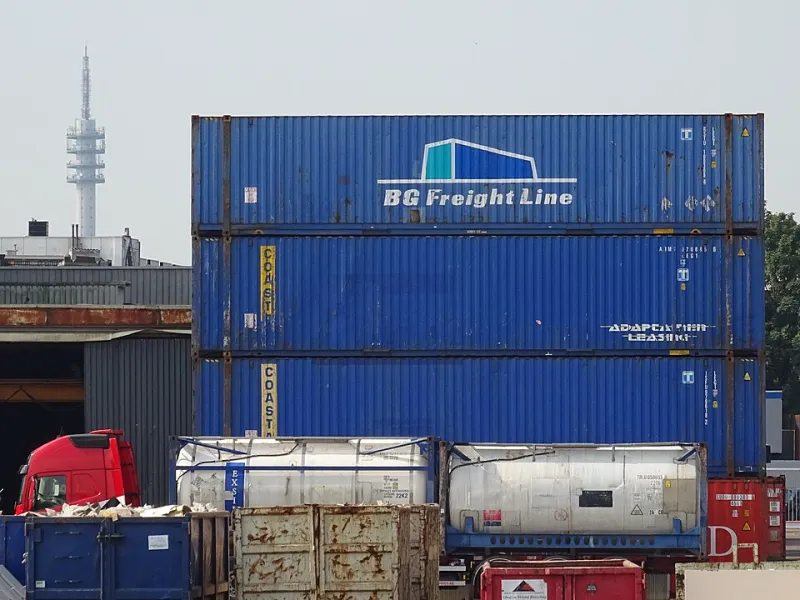
Photo: Paul Harrison, CC BY-SA 4.0, via Wikimedia Commons
Every importer remembers their first 'all-in' quote. The per-unit price looked right, the freight estimate seemed reasonable, and the math finally worked. Then the container landed, the invoices started arriving, and the real number emerged — often $2,000 to $4,000 higher than anyone expected.
This gap between the quoted price and the delivered cost is where import margins go to die. Understanding what fills it is one of the most practical forms of financial literacy an American buyer can develop.
The Charges That Wait on the Other Side of the Ocean
Once cargo is released at a US port, a new set of actors takes over — and each one bills separately.
Demurrage and detention are the pair importers fear most. Demurrage accrues when a container sits too long inside the terminal before pickup; detention applies when the box leaves the port but isn't returned empty on schedule. Both are charged per day, and both escalate. A container that misses its free window by a week can rack up four figures in penalties alone.
Chassis fees surprise newcomers constantly. In the United States, the wheeled platforms that carry containers over the road are typically rented separately from the truck. What looks like a simple delivery line item often contains chassis rental, chassis split charges, and pre-trip inspection fees.
Drayage surcharges reflect the short-haul truck move from port to warehouse — and fuel adjustments, congestion premiums, and pier-pass fees at ports like Long Beach and Los Angeles can inflate that leg considerably.
Documentation and handling fees round out the picture: ISF filings, customs entry processing, bond fees, and terminal administrative charges. Individually small, collectively meaningful.
Which of These Can You Actually Negotiate?
Not every fee is fixed. Importers who treat the post-port leg as a managed process rather than a stream of surprise bills tend to recover real money.
- Demurrage windows are sometimes extendable, particularly for high-volume shippers or during documented terminal congestion. Ask before the clock starts, not after.
- Drayage rates are genuinely competitive. Quoting the same move with two or three truckers routinely produces spreads of several hundred dollars.
- Documentation fees charged by freight forwarders vary widely for identical filings. Benchmark them annually.
- Chassis choices — including using a motor carrier that supplies its own chassis — can eliminate an entire fee category.
The non-negotiables are equally worth knowing: government-mandated customs entries, statutory merchandise processing fees, and bonded freight charges are what they are. Budget for them honestly.
Invoice Shock Is a Relationship Problem
Talk to experienced US importers and a pattern emerges: the ones who avoid fee surprises rarely have the cleverest spreadsheets. They have the clearest communication.
A supplier who quotes FOB and then goes silent leaves the buyer exposed to every downstream decision. A freight partner who quotes 'port to door' without itemizing chassis and fuel assumptions is importing ambiguity. The antidote is a written breakdown of the full landed-cost chain before the first purchase order is signed — free time allowances, estimated drayage, expected documentation charges, and who owns each handoff.
Some importers now build a contingency line of 8 to 12 percent on top of their freight estimate simply to absorb the accumulation of small charges. It is not a strategy so much as an acknowledgment of how the system works.
A Practical Discipline
Three habits separate predictable importers from surprised ones:
- Reconcile every arrival. Compare actual charges against the pre-shipment estimate and investigate variances immediately. Fees are often disputable within a short window.
- Track free time religiously. Calendar the demurrage and detention deadlines the day the vessel departs, not the day it arrives.
- Demand itemization. A lump-sum 'delivery fee' is a place where margin hides. Line items create accountability.
The ocean freight rate will always be the number everyone talks about. But the quiet charges after arrival are where experienced importers protect their economics — one line item at a time.