KROS International USA Global Trade, American Strength

KROS International USA

Global Trade, American Strength

Latest Articles

The Discount Hides in the Details: How Tariff Engineering Lets Mid-Sized Importers Pay Less, Legally
Trade Policy & Strategy

The Discount Hides in the Details: How Tariff Engineering Lets Mid-Sized Importers Pay Less, Legally

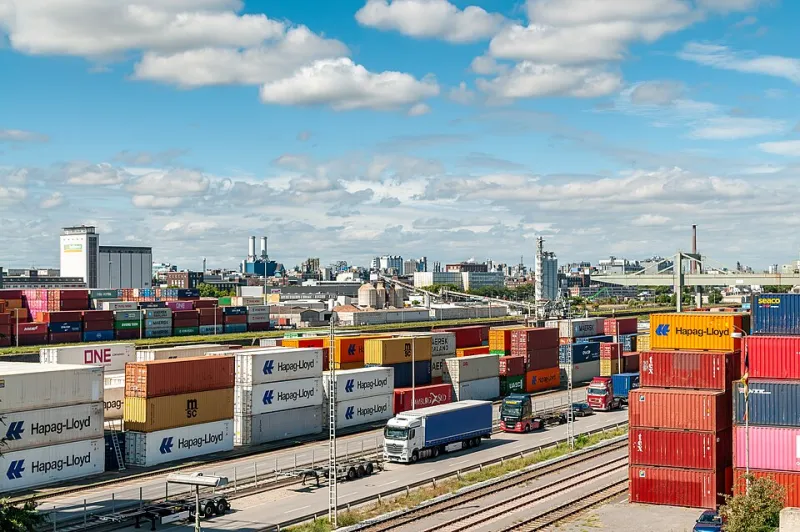
Tariff engineering isn't a loophole — it's the disciplined practice of designing products, classifications, and valuations with the duty schedule in mind. We walk through real scenarios where American importers shaved legitimate dollars off their landed costs, and where the bright lines sit.
Where the Ocean Ends and the Reputation Begins: Final-Mile Delivery as a Competitive Weapon for Overseas Brands
Trade Policy & Strategy

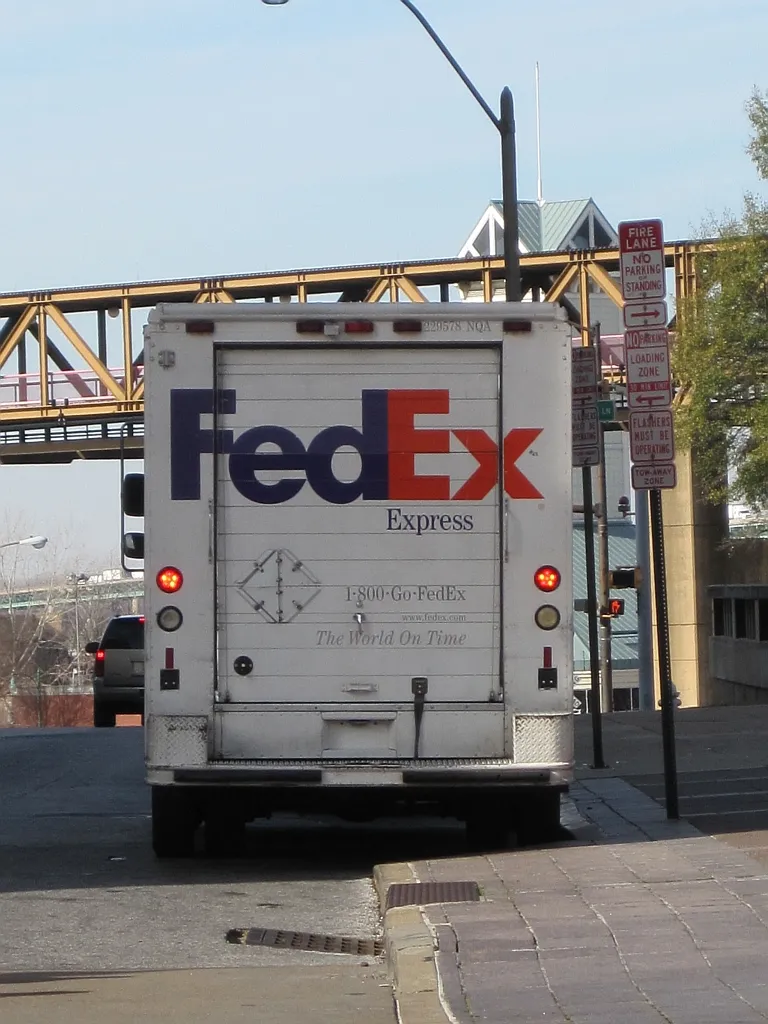
Where the Ocean Ends and the Reputation Begins: Final-Mile Delivery as a Competitive Weapon for Overseas Brands

International manufacturers often pour their energy into ocean freight and customs clearance, only to lose US buyers at the doorstep. This piece examines why the American leg of the journey — regional carriers, delivery speed, and returns handling — has become the deciding factor in B2B relationships, and offers a framework for competing where it counts.

Midnight Is When You Learn Who Your Freight Partner Really Is
Education & Explainers

Midnight Is When You Learn Who Your Freight Partner Really Is

Rate cards are easy to compare; character under pressure is not. This piece examines how logistics partners behave when a shipment fails at the worst possible hour — and offers a framework for testing that behavior before you commit.

When the Port Closes: What a Partner Does Next Tells You Everything
Trade Policy & Strategy

When the Port Closes: What a Partner Does Next Tells You Everything

Catalogs and quotes look identical across suppliers; character only surfaces when a container is stranded or a customs hold threatens a product launch. This piece argues that crisis response is the real due diligence American importers should be evaluating — and offers concrete ways to test it before your business depends on it.

Small Boxes, Sharp Pencils: The Untold Economics of America's Pallet-Size Importers
Trade Policy & Strategy

Small Boxes, Sharp Pencils: The Untold Economics of America's Pallet-Size Importers

The importers moving a few pallets at a time rarely make headlines, yet they operate some of the sharpest freight math in American trade. Their discipline — born of necessity — offers a masterclass for mid-size companies scaling toward full containers.

A One-Container Business: How Boutique American Retailers Learned to Import Without a Logistics Team
Education & Explainers

A One-Container Business: How Boutique American Retailers Learned to Import Without a Logistics Team

Digitized freight tools and shared container space have quietly rewritten the rules for small American retailers. Here's how a five-person shop in Ohio can now buy direct from an overseas factory — and where first-time importers still lose money.

Before You Sign the Engagement Letter: Ten Questions That Separate Real Freight Partners from Middlemen
Trade Policy & Strategy

Before You Sign the Engagement Letter: Ten Questions That Separate Real Freight Partners from Middlemen

Most US importers interview their freight forwarder exactly once — usually over a quoted rate. The questions that actually protect your cargo, your cash, and your liability never get asked. Here are ten of them, with the answers that should reassure you and the evasions that should alarm you.

Trust Has a New Exchange Rate: What American Buyers Actually Weigh in a 2025 Supplier
Education & Explainers

Trust Has a New Exchange Rate: What American Buyers Actually Weigh in a 2025 Supplier

Price, lead time, and certifications still matter — but they no longer win deals on their own. We rank the five 'currencies of trust' American companies now trade in when evaluating international suppliers, and explain how to demonstrate each before the first purchase order.

The Dock Door Is the New Handshake: Why US B2B Buyers Judge You by Your Warehouse
Trade Policy & Strategy

The Dock Door Is the New Handshake: Why US B2B Buyers Judge You by Your Warehouse

American procurement teams no longer wait for a sample to size up a supplier — they start with your ability to ship domestically, quickly, and transparently. This piece unpacks how stocking strategy in the US has quietly become a decisive trust signal in B2B evaluation.

Designed in Reverse: The Quiet Re-Engineering of Global Manufacturing for American Buyers
Trade Policy & Strategy

Designed in Reverse: The Quiet Re-Engineering of Global Manufacturing for American Buyers

A growing number of overseas factories are no longer adapting products for the US market after the fact — they are engineering them for it from day one. This 'reverse adaptation' is quietly redrawing the dynamics of global sourcing.

Beyond the Bill of Lading: Where Your Margin Quietly Disappears After the Ship Sails
Education & Explainers

Beyond the Bill of Lading: Where Your Margin Quietly Disappears After the Ship Sails

The price you negotiated with your supplier is only the opening bid. Demurrage, chassis fees, and documentation charges can quietly add thousands of dollars between the port of loading and your warehouse dock.

Ninety Days to Your First Container: A Founder's Timeline for Importing Without Regret
Education & Explainers

Ninety Days to Your First Container: A Founder's Timeline for Importing Without Regret

Placing your first overseas order doesn't have to feel like a leap of faith. This chronological guide maps the ninety-day journey from sample request to customs release, flagging the failure points where first-time importers most often stumble.

The Invoice Nobody Reads: What Friendshoring Actually Costs American Importers
Trade Policy & Strategy

The Invoice Nobody Reads: What Friendshoring Actually Costs American Importers

Moving production out of China has become the default strategic prescription, but the true ledger is rarely shown to boards in advance. From tooling transfers to quality re-learning curves, here are the costs that don't appear in the relocation deck.

The Geography of a Landed Cost: Why the Port of Entry Is a P&L Decision
Trade Policy & Strategy

The Geography of a Landed Cost: Why the Port of Entry Is a P&L Decision

Most American importers inherit their port of entry rather than choose it. From drayage distances to chassis availability and dwell times, the gateway your containers pass through can quietly move your margins by whole percentage points. Here is how to treat port selection as a strategic lever instead of a logistical afterthought.

Before the Signature: A Working Checklist for Vetting Overseas Trading Partners
Education & Explainers

Before the Signature: A Working Checklist for Vetting Overseas Trading Partners

A low quote is easy to get; a reliable partner is not. This practical guide walks US companies through the due-diligence steps that separate legitimate overseas suppliers from expensive lessons — from document verification to on-the-ground checks. Because in cross-border trade, what you don't verify will eventually cost you.

Building a Supply Chain That Bends: Five Strategies US Importers Are Using to Weather Trade Policy Swings
Trade Policy & Strategy

Building a Supply Chain That Bends: Five Strategies US Importers Are Using to Weather Trade Policy Swings

Tariff schedules that change mid-year and trade remedies announced with little notice have become the new normal for American importers. Here are five strategies — from Southeast Asian diversification to tariff engineering — that US companies are deploying to stay ahead of the volatility.

One Container, Sixteen Hands: The Hidden Journey of an Imported Product
Education & Explainers

One Container, Sixteen Hands: The Hidden Journey of an Imported Product

Follow a single shipment of goods from a factory floor overseas to a retail shelf in the American Midwest. This step-by-step guide demystifies freight forwarding, customs clearance, drayage, and last-mile delivery for first-time US importers.