Before the Signature: A Working Checklist for Vetting Overseas Trading Partners

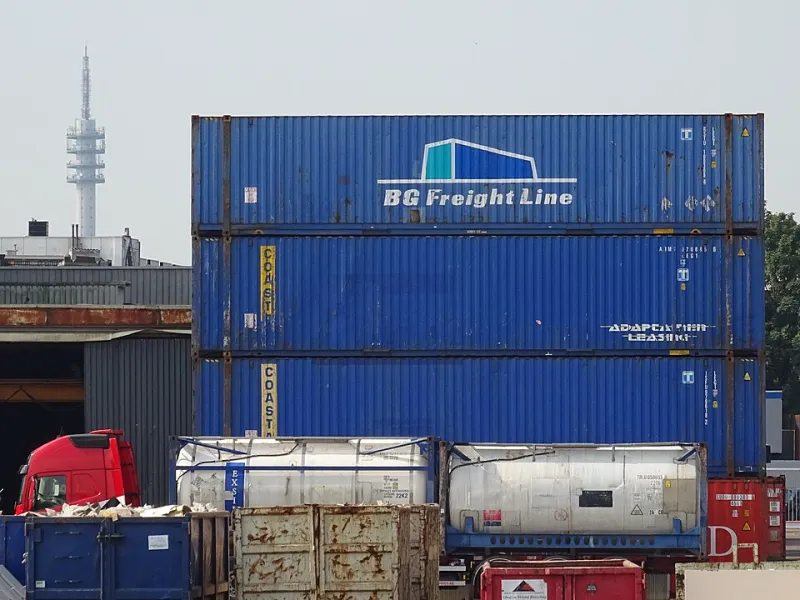
Photo: Europäische Kommission - Audiovisueller Dienst, Lukasz Kobus, Yügen, CE - Service audiovisuel, EC - Audiovisual Service, CC BY 4.0, via Wikimedia Commons
Every experienced importer has a story that starts the same way: the price was too good, the timeline was aggressive, and the paperwork looked fine. Six months and one undelivered order later, the lesson was learned the expensive way. In cross-border trade, the gap between a polished sales deck and a dependable operating partner is where fortunes are quietly lost.
This is not an argument against doing business overseas. Global sourcing remains one of the most powerful tools available to American companies. It is an argument for a simple proposition: verify first, sign second. Below is the checklist we recommend to any US company evaluating a new supplier or trading partner abroad.
Start With the Company, Not the Catalog
The first question is not whether the supplier can make your product. It is whether the supplier actually exists as represented.
Verify the legal entity. Request the company's business registration documents and confirm them through the relevant national registry. In China, that means the SAMR-issued business license; in the EU, the commercial register of the member state. Match the legal name on the license to the name on the pro forma invoice. Mismatches — a trading company operating under a factory's name, or a personal account where a corporate account should be — are early warnings worth heeding.
Confirm the export history. A supplier who has never shipped to the United States will learn customs compliance on your dime. Ask for evidence of prior US shipments: bills of lading (redacted as appropriate), export licenses where relevant, and familiarity with US-specific requirements like the FDA's prior notice rules, FCC certifications, or CPSC standards for children's products.
Check the sanctions and watchlists. Screen the entity, its principals, and its ownership chain against the OFAC SDN list and relevant export control lists. This takes minutes and is non-negotiable.
Interrogate the Paper Trail
Compliance documentation is where trustworthy suppliers distinguish themselves, because producing it requires genuine capability.
-
Certifications, verified. An ISO 9001 certificate means little if you cannot verify it. Check certificate numbers against the issuing body's registry. For product-specific claims — CE marking, UL listing, GOTS textile certification — confirm directly with the certifier when the stakes justify it.
-
Test reports from accredited labs. Insist on reports from recognized third-party laboratories (SGS, Intertek, Bureau Veritas, TÜV) rather than in-house testing. Review the report's date, the exact product model tested, and whether the sample matches what you will actually receive.
-
Financial health, at least directionally. You need not demand audited statements from a family-owned factory, but you should understand whether the company can survive your payment terms. A supplier who requires 100% upfront and is visibly stretched thin is a supplier who may not exist at delivery time.
Ask the Questions That Reveal How They Operate
Documents tell you what a company claims. A structured conversation tells you how it thinks. We suggest asking:
- "Walk me through what happens when a shipment fails inspection." A vague answer suggests there is no process.
- "Who owns the problem if goods are delayed at origin customs?" Clear accountability before problems arise predicts clear accountability during them.
- "Which of your certifications are current, and when do the next renewals fall?" Honest suppliers know; evasive ones stall.
- "Can I speak with two existing customers in the US market?" Reference checks remain the most underrated diligence tool available.
Get Eyes on the Ground
No document substitutes for presence. If order volume justifies it, conduct an on-site audit — personally or through a reputable third-party inspection firm. A one-day factory visit answers questions no email thread can: whether the machinery you saw in the video actually runs, whether the workforce size matches claimed capacity, and whether subassembly work is quietly outsourced to an unvetted subcontractor.
For ongoing relationships, consider a local representative — an employee, agent, or established trading partner with in-country presence. At KROS International USA, this is a core part of how we operate: someone who knows the market, speaks the language, and can walk the factory floor is often the difference between a supplier relationship and a supplier liability.
Structure the Relationship Before You Need It
Finally, put the agreement in writing with the same rigor you would apply domestically. Key terms to nail down: product specifications attached as exhibits, inspection rights before shipment, remedies for non-conformance, payment milestones tied to verifiable events (not dates), and dispute resolution with a defined forum and governing law. A contract that is hard to negotiate now is easy to enforce later — or at least, easier.
Trust Is Built, Not Assumed
The best cross-border partnerships share a pattern: small first orders, escalating commitments, and transparency that grows in both directions. Price matters, but it is the easiest thing for an unreliable supplier to fake. Track record, documentation, and verifiable presence are much harder to counterfeit — which is precisely why they should carry the most weight when you decide where to place your signature, and your capital.