Before the Handshake Dries: Turning Factory Visit Notes Into Contract Language That Holds

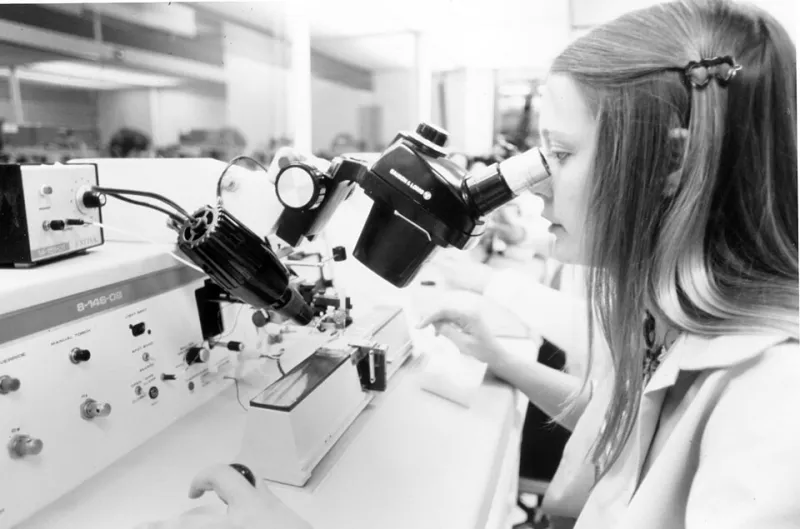
Photo: business meeting factory tour supplier inspection notebook camera, via img.freepik.com
Every experienced importer has lived some version of the same story. In the supplier's conference room, the sales director nods warmly and promises forty-five-day lead times, dedicated QC staff, and priority production slots. Three months later, your shipment sits behind another buyer's order, the finish on half the units doesn't match the approved sample, and nobody in the factory remembers any conversation about expedited handling.
The problem isn't usually dishonesty. It's the gap between what was said and what was written down. Closing that gap starts on your first visit — and the buyers who do it well treat the factory tour like an audit, not a courtesy.
Why Your Memory Is Not a Contract
Verbal commitments made during supplier meetings carry a peculiar weight in the moment. You're jet-lagged, the hospitality is generous, and the rapport feels like proof. But when a production crunch hits eight weeks later, the plant manager making allocation decisions has a spreadsheet, not a memory of your lunch conversation. Whoever's commitments are documented get honored. Yours, if they exist only in your recollection, do not.
This is especially true for mid-sized American importers. A Fortune 500 retailer gets priority because of volume; a regional distributor in the Midwest gets priority because of paperwork and the relationships it evidences.
What to Document Before You Leave the Building
Smart buyers develop a consistent capture routine. The specifics matter less than the discipline.
The physical conditions. Photograph the loading dock, the packing area, and the warehouse floor where your finished goods will actually sit. Note whether cartons are stored near open bay doors exposed to humidity. If you're importing moisture-sensitive goods — furniture, textiles, electronics — that photo becomes evidence in any future damage dispute.
The line in operation. Ask to see the actual production line that would run your order, not the showcase line they use for tours. Confirm which machines, which shifts, and which floor supervisors would be responsible.
The verbal numbers. Lead times, minimum order quantities, payment terms, defect thresholds, rework policies. Before the meeting ends, restate each number aloud and confirm it: "So to summarize, forty-five days from deposit to FOB, correct?" Then email that summary to the sales director the same evening. Their reply — even a brief "confirmed" — becomes a dated written record.
The people. Capture names, titles, and contact details for everyone who made a commitment. Organizational memory at overseas factories turns over quickly; knowing who said what gives you a thread to pull when problems surface.
From Observation to Obligation
Documentation only protects you when it migrates into your agreement. The conversion process is straightforward but requires intention.
First, transcribe your notes within twenty-four hours, while details remain sharp. Vague recollections make weak clauses.
Second, translate observations into specific contract terms. "The warehouse looked damp" becomes a packaging specification: cartons must include desiccant and be palletized with moisture-barrier wrap. "They promised quick reorders" becomes a reorder lead-time clause with a defined remedy — perhaps a per-day credit — if it's missed.
Third, attach your photographs and meeting summaries as exhibits or appendices to the purchase agreement. A photo of a clean, organized packing line referenced in the quality clause gives both parties a shared standard rather than a subjective debate.
Fourth, resist the temptation to leave anything "for later." Ambiguities deferred at signing become disputes at delivery. American buyers consistently underestimate how differently two parties can interpret a phrase like "industry-standard quality" when a container is already on the water.
A Note on Tone and Diplomacy
None of this requires an adversarial posture. Seasoned suppliers expect documentation from professional buyers and often respect it — it signals you're serious, repeat-volume potential rather than a one-order tourist. Frame your note-taking as standard operating procedure. Most factories will simply match your professionalism.
The rare supplier who bristles at written confirmation of verbal promises has told you something valuable before you've wired a deposit.
The Margin of Discipline
Import margins are thin enough that a single misread commitment — a fifteen-day lead-time slip during peak season, a defect rate off by two percentage points — can erase the profit on an entire order. The buyers who thrive treat every factory visit as the first draft of their contract, capturing what was said while it can still be converted into what will be honored.
The handshake still matters. But at KROS International USA, we've watched enough containers arrive to know: the paperwork you build in the supplier's conference room is what actually crosses the ocean with your goods.