The Invoice Nobody Reads: What Friendshoring Actually Costs American Importers
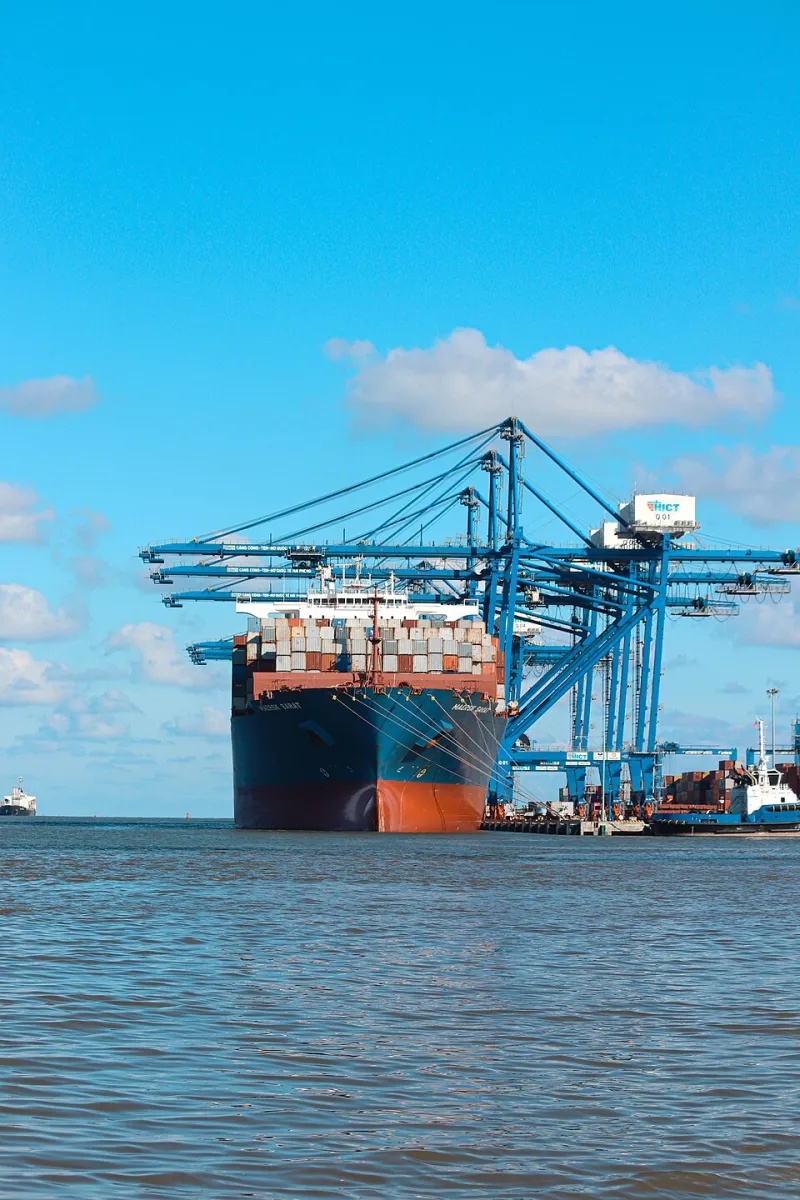
Photo: Shixart1985, CC BY 2.0, via Wikimedia Commons
Few supply chain strategies have enjoyed the consensus that "de-risking from China" now enjoys. Boards ask for it. Analysts reward it. Trade policy nudges it along with tariffs and export controls. And yet, in our work with US importers, we keep encountering the same pattern: companies that relocated production to Mexico, Vietnam, or India and discovered the move cost two to three times what the internal business case projected.
This is not an argument against diversification — the geopolitical logic is sound, and concentration risk is real. It is an argument for honesty about the invoice.
The Tooling Problem: Your Molds Don't Fly
Start with the most concrete line item. Injection molds, dies, jigs, and fixtures built over years in Guangdong don't simply relocate. They must be physically transferred or rebuilt, and Chinese factories are rarely eager to hand over tooling they may consider partly theirs. Contracts negotiated a decade ago often say nothing about ownership.
Even when tooling is released, rebuilding in a new country means new mold makers, new tolerances, new trial cycles. Companies routinely spend six figures and two quarters before the first acceptable part comes off a new line.
The Quality Re-Learning Curve
Here is the cost category almost no relocation deck models properly: for the first twelve to eighteen months, a new supplier will not match the defect rates of the old one. Not because Vietnam or Mexico can't produce at world-class quality — they demonstrably can — but because your company's institutional knowledge lived in the relationship with the old factory.
The engineers who knew that a certain resin behaves differently in summer humidity. The unspoken inspection points. The informal escalation path when a batch looked wrong. None of that transfers in a container. It must be re-learned, and re-learning is paid for in scrap, rework, chargebacks, and customer complaints.
Vetting Takes Longer Than a Sales Trip
Selecting a replacement supplier in a maturing manufacturing market is slower than selecting one in an ecosystem with thirty years of export depth. Audit capacity is thinner. Financial due diligence is harder. Sub-tier visibility — who actually supplies your supplier — is often opaque.
The result is longer qualification cycles, and companies under deadline pressure sometimes skip steps. The ones who shortcut vendor vetting tend to meet their new supplier's failures personally, and publicly.
The Hidden Logistics and Duties Ledger
Friendshoring is frequently sold as a freight arbitrage play: Monterrey is closer than Shenzhen, so logistics costs fall. Sometimes. But a surprising share of components still originate in China, which means the new "Mexican" or "Vietnamese" supply chain often ships raw materials across the Pacific anyway — sometimes twice, once as inputs and once as finished goods.
Substantial-transformation rules, rules-of-origin requirements under USMCA, and the growing scrutiny of transshipment mean that a supply chain that merely assembles in a friendly country and sources from an unfriendly one may not deliver the tariff benefits the plan promised. Customs authorities on both sides of the border are increasingly sophisticated about tracing where value is actually created.
What Sober Diversification Looks Like
None of this means American importers should stay put. It means they should sequence the move. Companies that succeed tend to:
- Dual-source before they switch, running the new supplier in parallel while the legacy relationship winds down
- Budget a quality transition reserve — one to two percent of annual COGS is a reasonable starting figure
- Negotiate tooling ownership into every new contract from day one, in writing
- Map their sub-tiers before leaving, because the components that follow you matter more than the factory that hosts you
The Honest Bottom Line
Friendshoring is a sound long-term strategy wearing the costume of a short-term one. The headlines celebrate the factory ribbon-cutting; nobody writes about month fourteen, when the defect rate finally returns to baseline and the CFO stops holding her breath.
American companies that relocate with clear eyes — expecting the learning curve, funding it in advance, and sequencing the transition — will build supply chains that are genuinely more resilient. Those that relocate to win a boardroom slide will discover that resilience, like everything else in trade, is invoiced eventually.