Designed in Reverse: The Quiet Re-Engineering of Global Manufacturing for American Buyers

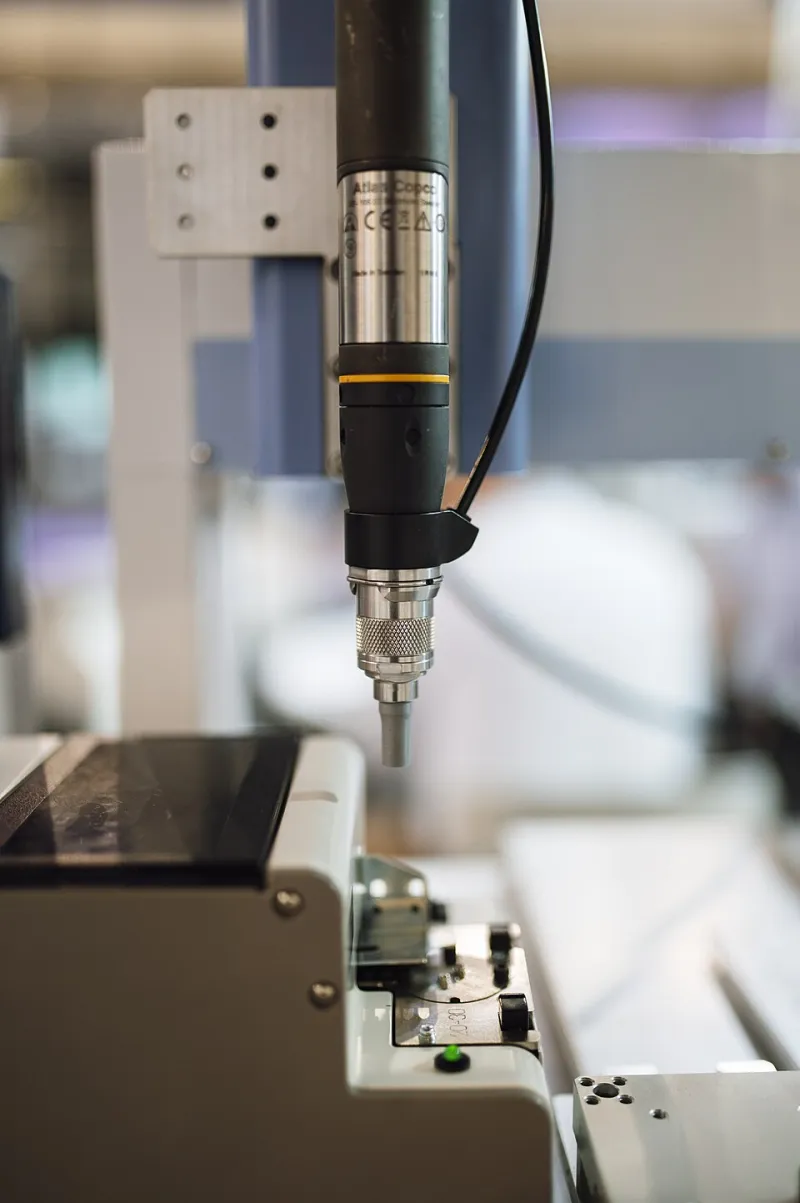
Photo: NASA Jet Propulsion Laboratory / Space Dynamics Laboratory/Allison Bills, Public domain, via Wikimedia Commons
For decades, the standard model of global trade ran in one direction: a factory produced a product, and the American buyer adapted it. Voltage converters, reworked labels, redesigned cartons, a compliance consultant brought in at the eleventh hour. The US market was the destination; adaptation was the buyer's problem.
That model is quietly inverting. Across manufacturing hubs from Vietnam to Mexico to Central Europe, a growing class of factories now begins with a fundamentally different question: not 'what do we make?' but 'what will clear US entry, survive American retail scrutiny, and satisfy a US procurement department?' Products are being designed backwards — starting from American requirements and working toward the production line.
What Reverse Adaptation Looks Like on the Factory Floor
The shift is less dramatic than a headline, but more consequential than a trend memo. It shows up in specifics.
Regulatory engineering as a starting point. Sophisticated suppliers now design to FCC, UL, FDA, and CPSC requirements before tooling begins, rather than retrofitting compliance after production. For categories like electronics, children's products, and food-contact goods, this is the difference between a smooth customs entry and a detained shipment.
Packaging built for American logistics. US pallet dimensions, warehouse racking standards, and e-commerce packaging expectations differ from those in other regions. Suppliers who internalize this ship goods that flow through American distribution instead of fighting it — fewer damages, fewer repack costs, faster slotting.
Consumer expectation fluency. American buyers tend to expect specific warranty language, instruction manuals in idiomatic English, and labeling conventions that match US retail norms. Factories that grasp this are selling more than products; they are selling reduced friction.
Why This Matters for American B2B Buyers
For US importers, the rise of reverse-adapted manufacturing changes what supplier vetting should look for. A factory can hold every certification and still be a poor partner if its understanding of the US market is superficial.
The genuine article tends to reveal itself in a few ways:
- They ask about your end market early. A supplier who asks where your product will be sold, through which channels, and under which regulatory regime is thinking like a partner. One who only asks for a spec sheet is thinking like a job shop.
- Their samples arrive US-ready. Correct plug configuration, compliant labeling, packaging that survives a US parcel network — these details signal institutional knowledge, not luck.
- They can name the rules. Ask a prospective supplier which US standards govern your product category. Vague answers are a data point.
- They have US-market references. Factories that already ship to American buyers have absorbed the learning curve you would otherwise pay for.
The Strategic Consequence
This trend is quietly re-sorting the global supplier landscape. Manufacturers who invest in US-market fluency become harder to replace; they are no longer competing on unit cost alone but on total friction reduced. For American buyers, this creates an opportunity to build deeper, more durable partnerships with suppliers who function almost as extension engineering teams — and a warning about the ones who haven't made that investment.
There is also a trade-policy dimension worth noting. As tariffs, standards regimes, and friendshoring pressures reshape sourcing decisions, the suppliers who thrive will be those who can navigate American requirements natively rather than reactively. Regulatory fluency is becoming a competitive moat, and it is being built in factories most US buyers have never visited.
The Bottom Line
The next generation of successful import relationships will not be defined by who found the lowest quote. They will be defined by who found the supplier that already understood America before the first email was sent. Buyers who learn to recognize that fluency — and reward it with loyalty — will find their supply chains getting quietly easier, one well-designed product at a time.