A One-Container Business: How Boutique American Retailers Learned to Import Without a Logistics Team

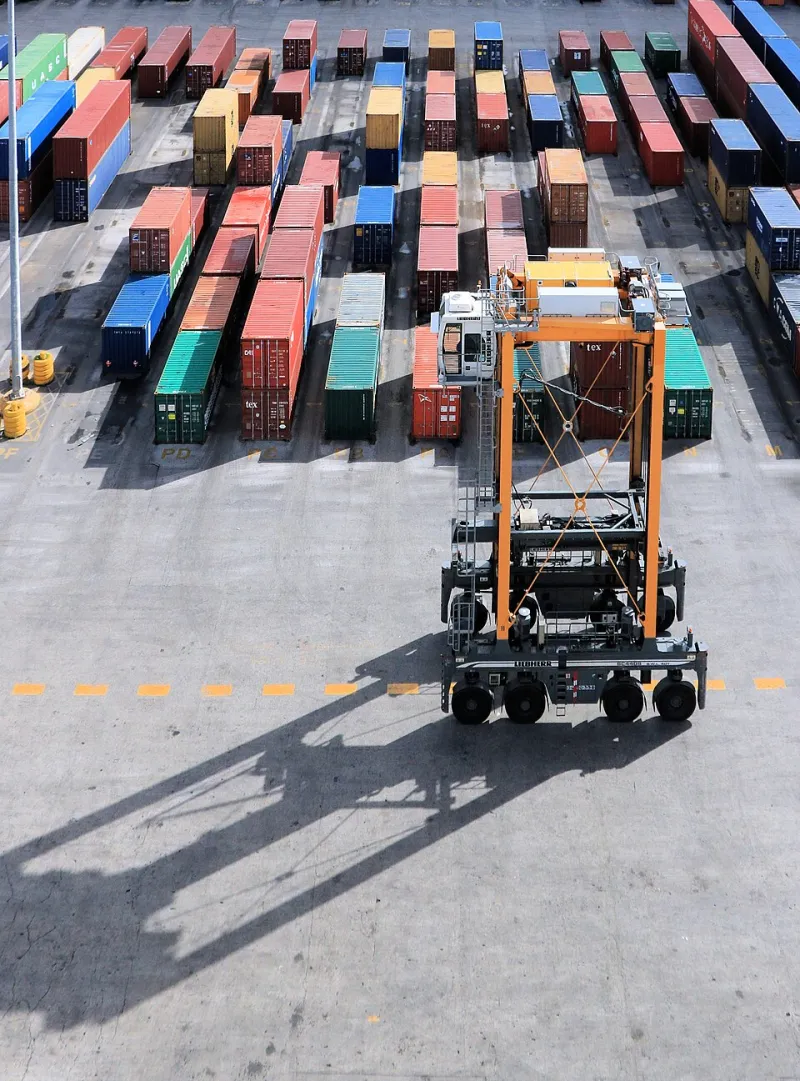
Photo: JoachimKohler-HB, CC BY-SA 4.0, via Wikimedia Commons
Ten years ago, importing a single pallet from an overseas factory was a project. You needed a customs broker on speed dial, a freight forwarder who answered the phone, and enough working capital to absorb whatever went wrong between the factory floor and your stockroom door. For a boutique retailer or a two-person e-commerce brand, the math rarely worked. So most small American businesses bought through domestic distributors and paid for the convenience in margin.
That equation has changed. Today, a specialty retailer in Columbus can order direct from a manufacturer overseas with nothing more than a laptop, a product sample, and a working understanding of a landed cost spreadsheet. The infrastructure that used to belong to enterprise importers — booking platforms, container consolidation, real-time tracking, digital customs documentation — has been unbundled and rented out by the pallet. The last mile of global trade now runs through Main Street.
What Actually Changed
Two forces did most of the work. The first is digitization. Freight quotes that once took a week of phone tag now arrive in hours. Bills of lading, commercial invoices, and customs paperwork move through portals instead of fax machines. A small importer can see where a container is sitting — anchored outside Long Beach, waiting at a transshipment hub — without calling anyone.
The second force is consolidation. Less-than-container-load (LCL) services have matured into something genuinely useful for small buyers. Instead of paying for 500 cubic feet of a container you don't need, you buy the 40 cubic feet you do, and a consolidator stitches your freight together with a dozen other shippers heading the same direction. Shared container space turned ocean freight from an all-or-nothing gamble into a metered utility.
The result is a workflow that looks like this: a US retailer finalizes a purchase order with a factory, books freight through an online platform or a forwarder's portal, uploads commercial invoices and packing lists, and tracks the shipment from origin pickup to final delivery. A customs broker clears the goods under the retailer's importer number. A drayage carrier or parcel network handles the final leg. Total administrative overhead: a few hours a week, once the process is learned.
A Realistic First Shipment
Consider a typical scenario. An online retailer selling kitchen goods wants to bring in 800 units of a stainless steel product. The factory quotes FOB a Chinese port. The retailer registers with CBP as an importer, obtains a customs bond, and gets three freight quotes. Because the order fills only a third of a container, the forwarder books LCL space. Ocean transit runs roughly three to five weeks; customs clearance adds days, not weeks. Total door-to-door time: about six to eight weeks from production completion.
The retailer pays three sets of costs along the way: the factory's price, the freight and insurance, and the landed costs at home — duties, brokerage fees, terminal handling, and delivery. A disciplined small importer builds all three into the product price before the purchase order is signed. The ones who don't are the ones who get surprised.
Where Small Importers Still Get Burned
The tools are better. The risks haven't vanished — they've just moved.
Demurrage and detention. When a shipment sits too long at a terminal or a container isn't returned on schedule, per-day fees start accruing, and they escalate fast. Small importers without a logistics person watching the calendar are the most common victims. Build buffer into your delivery timeline and know who's responsible for pickup before the vessel docks.
Consolidation delays. Shared container space means your freight travels on someone else's schedule. If the consolidator is waiting to fill a container, your cargo waits too. Ask about cutoff dates and sailing frequency before you promise a launch date to your customers.
Underestimated duty exposure. Tariff classifications matter, and misclassification — even innocent — can mean back payments and penalties. A good customs broker earns their fee here. A cheap one can cost you multiples of it.
Quality control at distance. Buying direct means you're the quality assurance department. Third-party inspection services cost a few hundred dollars and catch problems before they cross an ocean. Skip them and you may be running a discount sale on defective inventory.
Cash flow timing. Factories typically want deposits upfront and balance before shipment, while your revenue arrives months later. Small importers who haven't staged their working capital around this gap end up selling inventory to pay for the next order.
The New Playing Field
None of these risks are disqualifying. They're simply the tuition for importing on your own terms — and for many small American retailers, the terms are worth it. Direct sourcing can double the margin on a product line, and owning the import process means controlling the calendar instead of waiting on a distributor's stocking decisions.
The boutique retailers thriving in this environment share a habit: they treat their first shipment as a education, not a victory. They start small, document everything, and build relationships with a forwarder and broker who explain rather than obscure. The giants had these advantages for decades. Now the tools are on the shelf for everyone — and the retailers who learn to use them are competing on margin, not just on taste.