The Meeting That Rewrote the Quote: An American Buyer's Guide to the Factory Visit
For three years, Dana Whitfield's Columbus-based home goods company ran on a rhythm familiar to thousands of American importers: a purchase order emailed across the Pacific, a confirmation returned overnight, and a container that arrived more or less on schedule. The system worked — until it didn't. A delayed production slot pushed a spring delivery into June, and Dana realized she had never once met the people making her product.
Six weeks later, she was standing on the floor of her supplier's plant, hard hat on, watching her own SKUs move down the line. What happened over the following four days changed the economics of her business in ways no email thread ever had.
Why the Trip Outperforms the Inbox
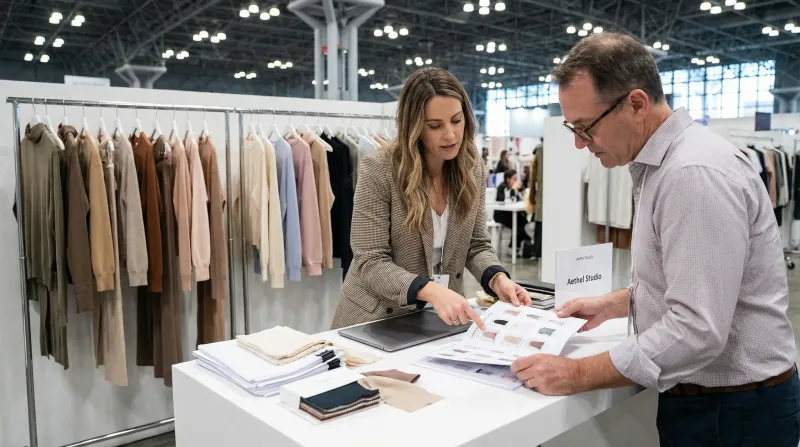
There is a reason veteran sourcing managers treat factory visits as non-negotiable. Remote communication filters everything through translation, time zones, and the natural instinct to say yes. In person, a buyer sees the real constraints: which lines are running at capacity, which quality checks are genuinely performed, and where a mid-sized customer actually sits in the pecking order.
For Dana, the visit surfaced three things immediately. First, her orders were being slotted behind two larger clients during peak season — a fact no one had volunteered. Second, a small packaging redesign she'd requested repeatedly was easy to implement; it had simply been lost in the shuffle of written instructions. Third, and most valuable, the plant manager was willing to discuss volume commitments in exchange for guaranteed production windows. None of these conversations would have unfolded over email.
Preparing Before You Board
A factory visit rewards preparation more than charm. Before traveling, serious buyers should:
- Audit your own account. Know your order history, defect rates, and payment record as well as your supplier does. You will be negotiating from data, not sentiment.
- Define your top three asks. Whether it's faster tooling turnaround, a price review tied to resin or cotton indices, or a dedicated QC hold point, arrive with a short list — not a wishlist.
- Bring a technical translator. An in-house engineer, a third-party inspector, or your logistics partner can spot issues (and opportunities) that a generalist buyer might miss.
- Understand the hierarchy. In many manufacturing cultures, the person answering your emails holds less authority than the person who never does. Ask, politely, who will actually be in the room.
The Cultural Ledger
American buyers sometimes mistake directness for efficiency. On a factory floor in most of the world's manufacturing hubs, relationships are the operating system. A few norms travel well:
- Accept the factory tour even if you've seen the facility on video. Walking the line is a sign of respect and your best chance to observe unscripted reality.
- Never criticize a process in front of line workers. Raise concerns privately with management, framed as shared problems to solve together.
- Share context. Explaining that your US retail partners demand tighter delivery windows gives your supplier a reason — and face-saving cover — to prioritize you.
- Send a thank-you note within 48 hours, in writing, referencing specific commitments made in the meeting. This converts hospitality into accountability.
From Handshake to Contract
The visit's real value is captured afterward. Within a week of returning, Dana's team documented every verbal agreement: a revised production calendar, an agreed inspection protocol, and a pricing review clause tied to quarterly volume. The supplier signed a formal addendum within ten days.
Her landed costs didn't drop overnight. But her priority slot did, her defect claims were processed in days rather than weeks, and her next negotiation started from a very different posture — that of a partner with a face, not a logo in an inbox.
For American importers weighing whether the trip justifies the airfare, the math is straightforward. A single recovered production slot during peak season, one avoided quality dispute, or a two-point improvement in pricing terms will typically repay the cost of the visit many times over. The sample room tells you what a supplier can make. The factory floor tells you who they are — and, increasingly, that distinction is where competitive advantage lives.