Read Before the Pitch: A Buyer's Silent Scan of Your American Stockroom
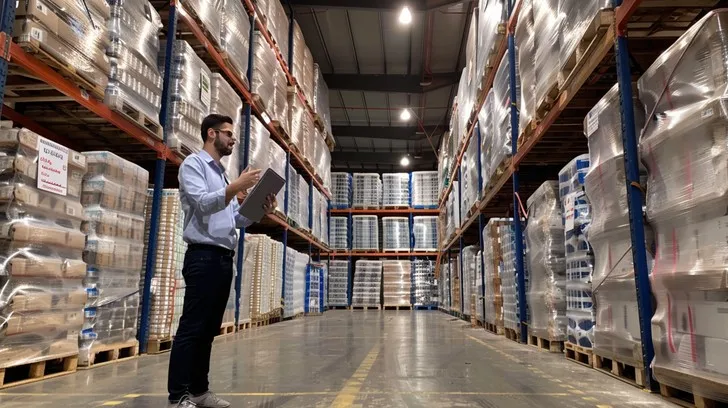
Photo: warehouse walkthrough buyer inspecting palletized inventory aisle, via images.stockcake.com
The pitch deck was polished. The pricing sheet was competitive. The founder of the visiting brand had rehearsed every objection. None of it mattered, because the buyer for the Midwest grocery cooperative had already made up her mind twenty minutes earlier — in the warehouse, standing in front of a pallet.
This is a scene that repeats itself daily across American distribution centers, from the Inland Empire to the I-75 corridor in Ohio. Retail buyers and category managers are trained skeptics, and they have learned that the most honest presentation a supplier ever gives is the one the supplier doesn't know is happening: the walk through the stockroom. For international brands staging inventory in the United States, understanding what that silent scan looks for is not a nicety. It is the difference between a purchase order and a polite follow-up email that never comes.
What the Buyer's Eye Actually Does
Ask a seasoned American buyer what they look for in a walkthrough and you will rarely get a list. You will get instincts. But watch enough of these visits and the instincts resolve into a pattern:
The pallet wrap. Clean, even, 80/20 stretch wrap with corner protection suggests a facility with standards. Loose, torn, or re-wrapped pallets suggest product that has been dropped, restacked, or sitting long enough to fail. Buyers read this the way a mechanic reads oil on a driveway.
Batch dating and lot visibility. Labels facing outward, lot codes legible, date codes applied consistently — these tell a buyer that a recall, if it ever comes, will be surgical rather than catastrophic. Food, supplement, and beauty buyers in particular will not proceed without this.
FIFO discipline in motion. It is not enough to see a FIFO poster on the wall. Buyers glance at the pick faces: is the older stock in front? Is there dust on the front cartons? A warehouse where rotation actually happens signals a partner who understands American shelf-life expectations — and who will not quietly hand a retailer the job of pulling expired goods.
Cycle count evidence. A printed count sheet on a clipboard, a scanner docked at a charging station, an inventory variance log — small artifacts, but they whisper that the numbers in the inventory system match the numbers on the floor. For a buyer, that means fill rates they can trust.
Aisle culture. Blocked fire exits, stacked overflow in aisles, forklifts parked across egress paths — these are not just OSHA problems. To a buyer, they predict late shipments, damaged goods, and excuses.
Why Domestic Stock Carries So Much Weight
An overseas brand's home factory can be spotless and still tell an American buyer very little, because the product that reaches the US shelf has usually passed through many hands. The stateside warehouse is different: it is the last place the brand controlled before the buyer took over. It is the brand's American accent, so to speak.
This is why the growth of US-based staging inventory — the practice of holding a few months of stock domestically rather than shipping every order from abroad — has become a quiet competitive weapon. A brand that can promise two-day replenishment from a New Jersey or Dallas facility is not just faster. It is legible. The buyer can see, touch, and audit the operation before committing shelf space.
A Checklist for Brands Staging Inventory Stateside
Before inviting any American buyer for a walkthrough, run your own scan first:
- Re-wrap every pallet on display. No exceptions, no shortcuts, no 'good enough.'
- Standardize label placement. Lot codes, date codes, and barcodes in the same position on every carton.
- Document your rotation. Keep a visible FIFO log; be ready to show the last month of it.
- Prove your counts. Have cycle-count records on hand, with variance explained, not hidden.
- Walk the route yourself. Enter through the same door a buyer would. Note what you see in the first sixty seconds — because that is exactly what they will see.
- Rehearse the recall answer. If asked how you would trace a defective lot, the answer should take less than a minute and involve no phone calls to overseas time zones.
The Quiet Advantage
There is a phrase American buyers use, half-jokingly: the warehouse never lies. Marketing can be outsourced, photography staged, references curated. But a stockroom reveals process — whether process exists at all. For international brands competing for American shelf space, the message is simple: invest in your domestic inventory the way you invest in your pitch. Wrap it well, date it clearly, rotate it honestly, and count it often. When the buyer's eyes begin their silent scan, your warehouse will already have made the sale.