When the Port Closes: What a Partner Does Next Tells You Everything
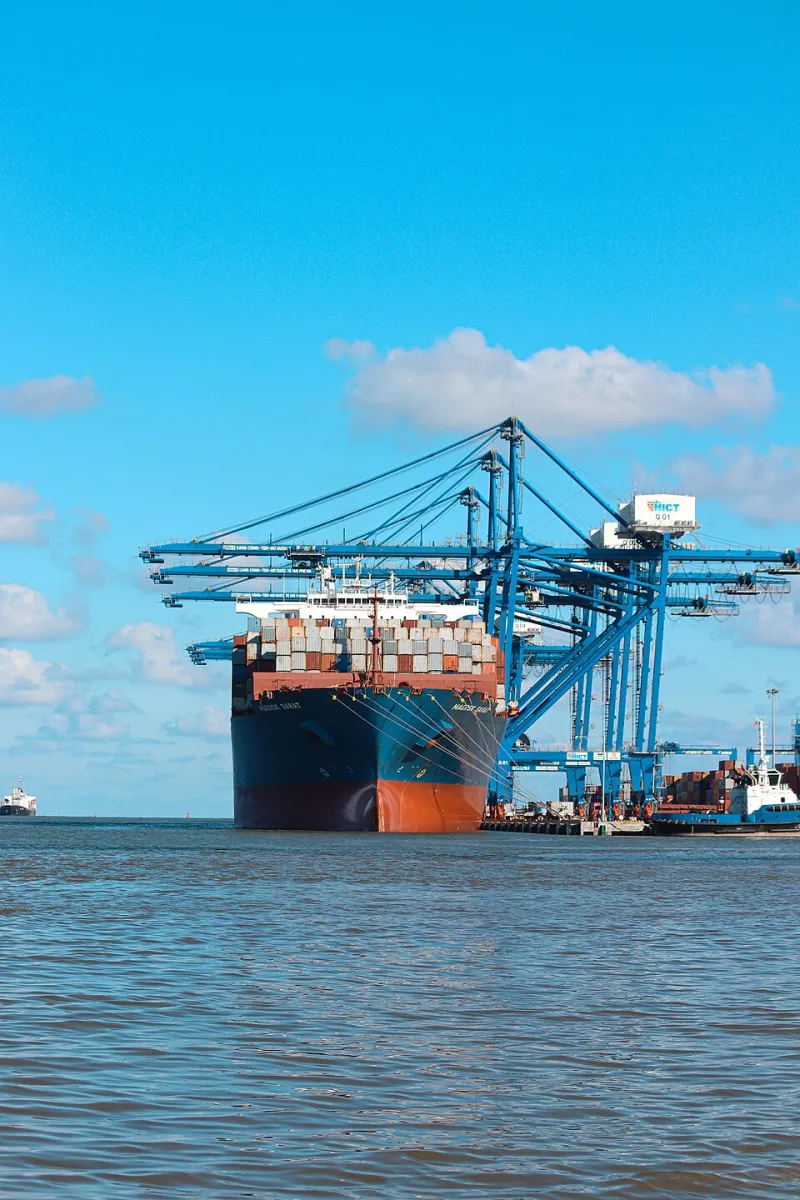
Photo: Nathan.cima, CC BY-SA 4.0, via Wikimedia Commons
The Illusion of the Perfect Catalog
Every supplier relationship begins in the same place: a clean quote sheet, competitive unit pricing, polished product photography. On paper, one overseas partner looks remarkably like another. Margins are within a few cents, lead times are comparable, and the sales representative responds to emails with impressive speed.
Then something breaks.
A container gets pulled for examination by U.S. Customs and Border Protection. A typhoon shuts down the Port of Shanghai for a week. A factory line halts because a sub-component supplier two tiers down went bankrupt. It is in these moments — not in the negotiation phase — that an American importer learns whether they have a partner or merely a vendor.
At KROS International USA, we have watched this dynamic play out across hundreds of trade relationships, and the pattern is consistent: crisis response is the truest measure of a trading partner. Pricing can be renegotiated. Crisis behavior cannot be faked twice.
Three Scenarios That Reveal Character
The customs hold. A Midwest kitchenware importer had a full container of goods flagged for examination at the Port of Long Beach — routine, but nerve-wracking with a major retail commitment three weeks out. One supplier's response was silence, followed by a defensive message implying the problem was the buyer's fault for choosing that port. The other supplier sent documentation within hours: manufacturing records, material certifications, and a named contact at their customs broker. The hold resolved in days. The importer kept only the second supplier.
The factory shutdown. When a power disruption idled a partner's production facility, one company's account manager called his American client before the client even knew there was a problem — with a recovery timeline, a partial-shipment option, and an honest assessment of what could not be saved. That call cost the supplier nothing in hard currency. It bought years of loyalty.
The port closure. During a recent weather event that closed a major Asian transshipment hub, importers with strong partners received proactive rerouting plans within 24 hours. Those without them received automated delay notifications — and then nothing.
The difference in outcomes was rarely about contracts or clauses. It was about communication culture.
Why Bad News Travels Slowly Across Borders
There are structural reasons crisis communication fails in international trade. Language gaps compress nuance. Time zones delay the bad news by half a business day. And in many manufacturing cultures, delivering unwelcome updates to a customer before a solution exists is seen as a loss of face — so representatives wait, hoping the problem resolves itself, while the clock runs on the American buyer's patience.
Understanding this does not excuse it, but it reframes the vetting question. You are not merely asking "will this partner tell me when something goes wrong?" You are asking "does this organization have systems and incentives that make early disclosure the path of least resistance?"
Stress-Testing Before the Stakes Get High
You cannot wait for a typhoon to learn what a partner does under pressure. But you can engineer smaller tests:
- Introduce a deliberately ambiguous request early in the relationship — an unusual packaging spec, a tight-but-possible deadline — and observe whether they push back honestly or simply say yes.
- Ask how they handled their last three disruptions. A partner with a real answer, including what went wrong and what they changed, is more trustworthy than one who claims nothing has ever gone sideways.
- Request a named escalation contact, not a shared inbox. Then email that contact once, before any crisis, to confirm the channel works.
- Run a small first order and deliberately create a minor complication — a document correction, a labeling change — and measure the response time and tone.
- Watch what they do unprompted. Proactive status updates during routine shipments are the leading indicator of proactive behavior during bad ones.
The American Bottom Line
U.S. importers operate on thinner schedule margins than most domestic businesses. A two-week surprise from an overseas partner can mean empty shelves, missed promotional windows, and a strained relationship with a domestic buyer who has no interest in your supply chain excuses.
The lesson we would offer every American business evaluating a trading partner is simple: do not grade the quote sheet. Grade the behavior when the quote sheet is irrelevant. The partner who calls you at 3 a.m. with a problem and a plan is worth more than the one who wins your business with a price they abandon the first time conditions shift.
Build your stress tests into onboarding. Ask the uncomfortable questions while the relationship is still cheap to walk away from. Because in global trade, the crisis is not a question of if — only of when, and of who picks up the phone.